Let’s say you just bought a fresh ream of paper for the office plotter. You load the roll, send a complex architectural drawing to the queue, and wait. But when the print comes out, it’s damp, with fuzzy lines and colors bleeding into each other. You might scratch your head because the package said "20lb bond," which is exactly what you usually buy.
This scenario happens more often than you might think. We tend to view paper as a universal supply. If it fits in the tray or on the spindle, we assume it should work. But the technology inside your printer dictates exactly what kind of surface it needs. Understanding the differences between inkjet and laser 20lb bond paper saves time and frustration.
How Inkjet Printers Apply Imagery
Inkjet printing is a straightforward process where the print head sprays tiny droplets of ink onto paper. For the best results, the ink needs to dry fast without bleeding.
Paper that’s too absorbent will cause the ink to spread, much like a drop of water on a paper towel. This effect, called dot gain, can make fine details and lines appear fuzzy.
The Role of Surface Treatment
Inkjet bond paper is specially treated to keep your prints looking sharp and vibrant. The treatment helps control how the ink spreads by holding the droplets in place just long enough for the liquid to dry. This is what prevents the colors from bleeding or smudging.
Thanks to this process, you get crisp lines and bold colors, and the ink feels dry to the touch almost immediately. It's a clever bit of surface science designed specifically for liquid ink!
How Laser (Toner) Printers Function
Laser printers work differently than inkjet printers. Instead of using liquid ink, they rely on static electricity and heat to stick powdered plastic, called toner, onto the paper.
Since the printer’s fuser gets incredibly hot during this process, the paper needs to be tough enough to handle high temperatures without curling up or jamming. That’s why the moisture level of your paper is important to prevent blistering, static buildup, or poor toner adhesion.
Moisture Control is Vital
If a sheet holds too much moisture, the heat from the fuser turns that water into steam. The steam escapes, causing the paper to curl effectively and ruin the print.
Laser bond paper has strict moisture controls during manufacturing. It also lacks the chemical surface treatment found on inkjet paper because the toner doesn't need help sitting on the surface; it gets melted into it.
The Consequences of Mixing Them Up
What happens if you use inkjet paper in a laser printer? It’s rarely a good outcome. The chemical coating on inkjet paper can melt under the high heat of a laser fuser.
This can damage expensive internal components of your plotter. At best, the coating prevents the toner from fusing correctly, leading to images that flake off when you touch them.
Using Laser Paper in an Inkjet
The reverse scenario is less risky, but equally frustrating. If you use untreated laser bond paper in an inkjet printer, the paper will simply soak up the ink like a sponge.
Fine architectural lines will look fuzzy, and colors will appear washed out and dull. The paper might even cockle or warp as it absorbs too much liquid.
Why "20lb" Is the Industry Standard
You’ll see "20lb" referenced constantly. This number refers to the weight of the paper. Specifically, it represents the weight of 500 sheets of the base stock in its uncut size.
For general-purpose printing, 20lb is the sweet spot. It’s thick enough to handle handling, but thin enough to be cost-effective for large check sets. It’s the standard for inkjet and laser engineering copiers.
Identify Your Paper Type
Sometimes, the packaging gets thrown away, and you have a roll sitting in the corner. How do you tell what it is?
Inkjet paper usually looks brighter white due to the coating. It feels slightly smoother. Laser bond, or xerographic bond, might have a slightly duller finish and feels a bit more "toothy" or natural.
Always check the core label if possible. Manufacturers mark the rolls clearly to avoid confusion.
Wide-Format Considerations
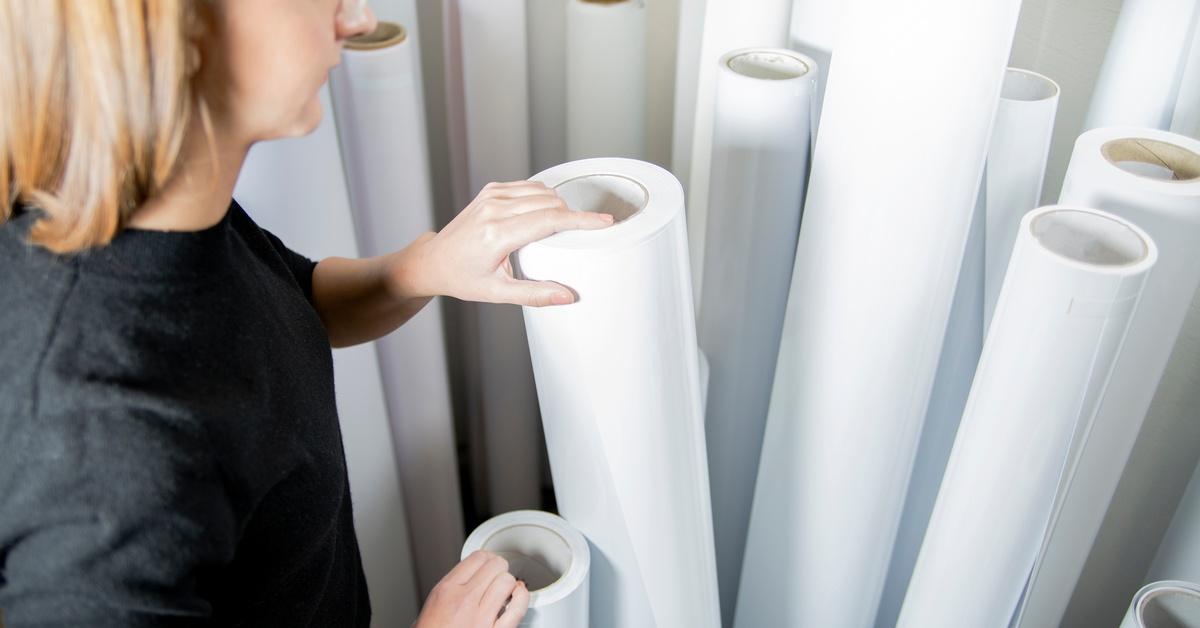
When it comes to office printing, the stakes aren't as high. A jammed letter-sized sheet is just an annoyance, but a jammed 36-inch-wide roll can cause serious project delays. This distinction matters most for wide-format bond paper. The mechanics of large-scale printing amplify any mismatch between media and machine.
Cost Implications of the Wrong Choice
Inkjet paper generally costs a bit more than a standard laser bond. This price difference comes from the chemical treatment process required to manage liquid ink.
Trying to save a few dollars by buying cheaper laser paper for your inkjet plotter is a false economy. You’ll likely end up re-printing the job due to poor quality, which doubles your material cost and wastes time.
Storage and Handling
Both types of media require proper storage, though for different reasons.
- Laser Bond: Keep it wrapped to maintain the correct moisture content. Humidity changes can lead to curling issues in the fuser.
- Inkjet Bond: Keep it clean. Dust and oils from your hands can interfere with the coating and affect print quality.
Store all rolls horizontally. Standing them on end can damage the edges, which causes feed issues in the printer.
Choose Paper Sustainably
Many options in both categories come from sustainable sources. You can find FSC-certified rolls for inkjet and laser machines.
Recycled content is available, but pay attention to the whiteness and brightness levels. Sometimes, high recycled content can lead to a darker page, which reduces contrast for line drawings.
Assess Your Needs
Before ordering new supplies, it's a good idea to double-check what kind of machine you have. Is it an LED toner machine or an aqueous inkjet plotter?
Knowing what technology your printer uses is key to buying the right supplies, so it's best not to guess. If you have several machines in your office, it can also be helpful to store their supplies in separate places. This prevents your team from accidentally grabbing the wrong one.
Inkjet and laser 20lb bond papers have important differences that affect the results of your prints. If you’re still unsure about which roll matches your specific printer model, Plotter Paper Guys can help you navigate the specs. We know these machines inside and out.
Stop settling for inadequate results. Get the right media for the job and see the improvement in your next print run!